

ZIMRA Fiscalisation Requirements: 2026 Checklist
Every document and prerequisite for ZIMRA Fiscalisation in Zimbabwe — TIN, BP number, CR14, proof of address, fiscal device specs, and common rejection reasons.
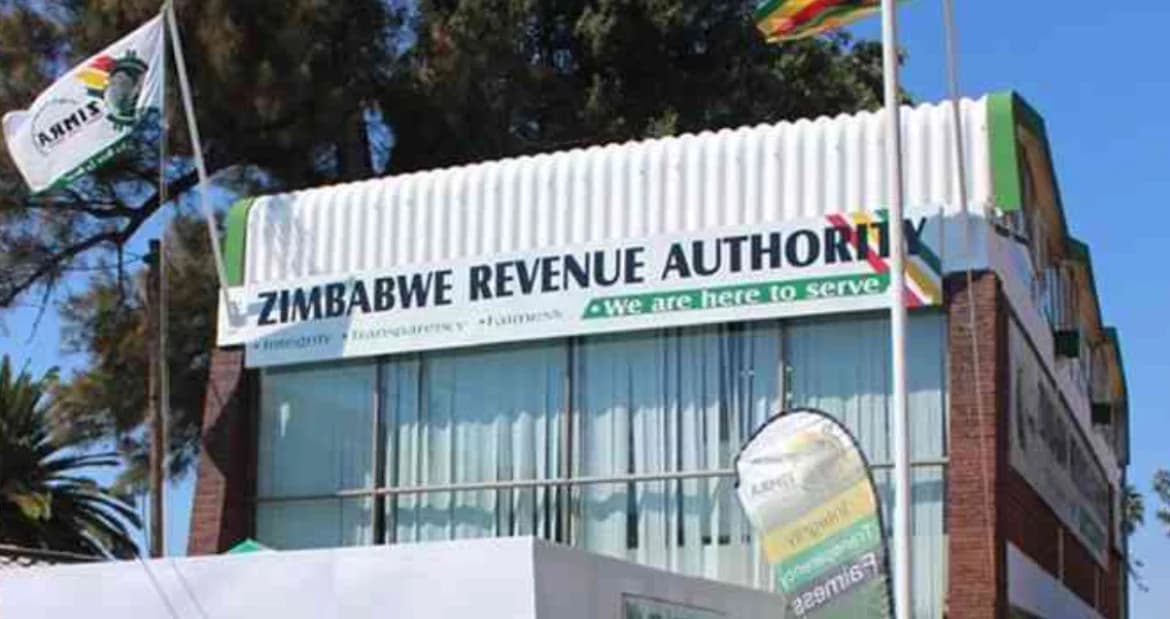
The #1 reason ZIMRA Fiscalisation applications get rejected or delayed is missing documents. ZIMRA is strict, and ZIMRA officers do not chase you for what you forgot to bring — they reject the file and you start over.
This is the complete 2026 ZIMRA Fiscalisation requirements checklist. Tick every box before you submit, or work with vFiscal and we'll do it for you in 2–3 working days.
Who Needs ZIMRA Fiscalisation?
Legally, any Zimbabwean business with annual turnover above USD $25,000 must register for VAT and complete ZIMRA Fiscalisation. In practice, almost every B2B-facing business in Zimbabwe needs to be fiscalised, regardless of turnover, because customers refuse to pay non-fiscal invoices.
Read our complete guide to ZIMRA Fiscalisation for a deeper explanation of who qualifies and why.
Business Registration Documents
Have these ready before you start your ZIMRA Fiscalisation application:
- CR14 — Certificate of Directors. Issued by the Companies Registry. Must show current directors.
- Certificate of Incorporation — the original company registration document.
- Memorandum & Articles of Association — may be requested for new registrations.
- Trade name registration — if trading under a name different from the registered company name.
- Partnership agreement — for partnerships and joint ventures.
TIN & BP Number
These are non-negotiable for ZIMRA Fiscalisation:
- TIN (Tax Identification Number) — assigned by ZIMRA when you first register for tax. Must be current and active.
- BP Number (Business Partner Number) — ZIMRA's internal taxpayer ID. Get it from your ZIMRA portal account or by visiting any ZIMRA office.
- VAT Registration Certificate — if you are VAT-registered, the VAT number must appear on the certificate.
- Current tax clearance certificate — you cannot fiscalise if you have outstanding tax obligations.
If your tax clearance certificate is expired, ZIMRA Fiscalisation will not proceed until you renew it. This alone can add 1–2 weeks to the process. Renew tax clearance first, fiscalise second.
Fiscal Device Hardware Requirements
If you're going the physical fiscal device route, the hardware must be ZIMRA-approved. Currently approved manufacturers include Posiflex, Casio, Bizerba, and a handful of others. The device must support:
- NIST P-256 (ECDSA-with-SHA256) or RSA 2048 cryptographic signing
- Real-time HTTPS communication with FDMS API endpoints
- Local secure storage of the device certificate and private key
- QR code generation per ZIMRA spec (16-char MD5 hash of signature)
- Sequential receipt numbering and fiscal day tracking
If you use a virtual fiscal device (software-based), the hardware requirement disappears entirely. vFiscal uses virtual devices — no hardware purchase needed.
Network & Internet Requirements
ZIMRA Fiscalisation is online by design. Your fiscal device or software must be able to reach the FDMS API in real time:
- Stable internet connection — fibre, LTE, or reliable 4G. Frequent dropouts cause receipt submission failures.
- HTTPS outbound on port 443 — required to reach
fdmsapi.zimra.co.zw. - 72-hour offline grace window — receipts can be issued offline but must be retroactively submitted to FDMS once connectivity returns.
- NTP-synced device clock — fiscal day timestamps must be accurate.
Bank Account & Proof of Address
- Bank confirmation letter on bank letterhead, showing your business account
- Recent bank statement — usually 3 months
- Proof of business address — current utility bill, lease agreement, or rates bill. Must match the address on your CR14.
FDMS Account Setup
Before fiscalisation can complete, ZIMRA must create your FDMS account. This requires:
- An approved ZIMRA portal account with linked TIN and BP
- Verified taxpayer information (use
/verifyTaxpayerInformationendpoint) - FDMS test access — samples must be approved before production
- Production registration request from a ZIMRA-recognised software vendor
ZIMRA requires production FDMS access to be requested by an approved software provider, not directly by the taxpayer. This is why doing ZIMRA Fiscalisation purely DIY is impossibly slow for most businesses — you need a software partner with active test access.
Common Rejection Reasons
| Rejection Reason | Frequency | Fix |
|---|---|---|
| Expired tax clearance | Very common | Renew tax clearance, resubmit |
| CR14 not current | Common | Get fresh CR14 from Companies Registry |
| TIN/BP mismatch | Common | Visit ZIMRA office, reconcile records |
| Address on documents mismatched | Common | Update CR14 or lease to match |
| VAT registration not active | Common | Re-register for VAT if lapsed |
| Sample fiscal invoice rejected | Common | Fix sample to ZIMRA spec, resubmit |
| Certificate expired before go-live | Occasional | Request renewed certificate |
The Easy Way: We Handle It
Getting every document right, every spec correct, and every ZIMRA officer's requirement met is a part-time job. vFiscal handles ZIMRA Fiscalisation end-to-end for $5/month — you send us your documents, we do the rest in 2–3 working days.
Related reading: What Is ZIMRA Fiscalisation? · Cost Breakdown · Step-by-Step Process
Want to see this in action?
Create a free account and explore — no credit card required.
Ready to Try It Yourself?
Join Zimbabwean businesses already using vFiscal to streamline invoicing, inventory, accounting, POS, procurement, and CRM — 16+ modules in one platform.
14-day free trial · No credit card required · $5/month after
Found this useful? Share it with other business owners.