

What Is ZIMRA Fiscalisation? Complete 2026 Guide
ZIMRA Fiscalisation explained — what it is, who needs it, how FDMS works, the documents required, real costs, timelines, and penalties for non-compliance. Updated for 2026.
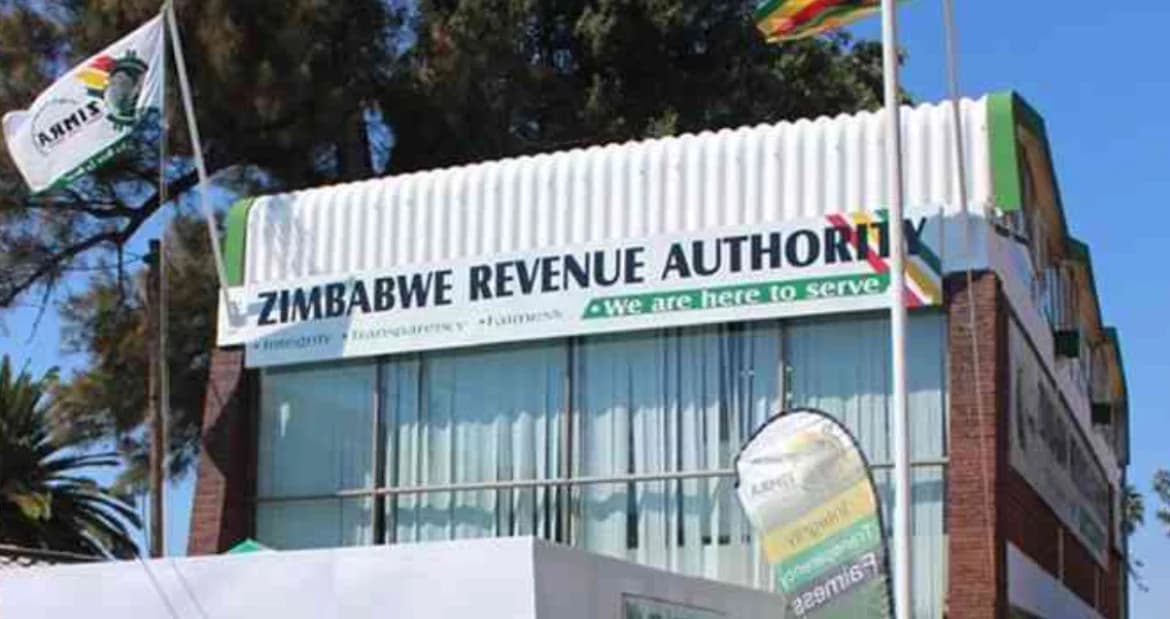
If you run a Zimbabwean business and you've heard the term thrown around at every accountant's office, every ZIMRA notice, and every B2B negotiation — ZIMRA Fiscalisation is no longer optional. This is the complete 2026 guide: what it is, why it exists, who must comply, and what it actually costs to get it done properly.
At vFiscal, we handle ZIMRA Fiscalisation end-to-end for Zimbabwean SMEs in 2–3 working days for $5/month — so we wrote this guide from the front line. No marketing fluff. Just what you need to know before you commit.
What Is ZIMRA Fiscalisation?
ZIMRA Fiscalisation is the mandatory process of registering your Zimbabwean business with ZIMRA's Fiscal Device Management System (FDMS) so that every invoice, quotation, and receipt you issue carries a fiscal QR code, a device serial number, a server signature from ZIMRA, and a full tax breakdown.
Once your business is fiscalised, your invoices are accepted by VAT-registered customers, by government tenders, and by ZIMRA itself for input tax claims. Without ZIMRA Fiscalisation, your invoices are essentially just receipts — legally inadequate for any VAT-claiming counterparty.
Why ZIMRA Introduced Fiscalisation
Before FDMS, Zimbabwe's tax base was eroded by under-reporting, ghost invoices, and missing VAT. ZIMRA introduced fiscalisation in 2023 to bring every taxable transaction onto a single, real-time platform — the same way South Africa, Kenya, and Rwanda have done with their respective fiscal systems.
The goal: every invoice issued in Zimbabwe is verifiable on the ZIMRA portal within seconds. Tax clearance, VAT returns, and audits are all driven by the FDMS feed. Since June 2025, TaRMS (ZIMRA's Tax and Revenue Management System) auto-pulls FDMS data into your VAT returns — so accuracy at fiscalisation time directly affects how much you pay each quarter.
The FDMS Explained (Plain English)
FDMS stands for Fiscal Device Management System. It is the cloud platform run by ZIMRA that:
- Registers and tracks every fiscal device in Zimbabwe
- Issues unique device IDs, activation keys, and certificates to compliant taxpayers
- Receives every fiscalised receipt in real time and signs it server-side
- Generates the QR code data used on every fiscal invoice
- Tracks fiscal days (open/close), Z-reports, and balance counters per device
Your software (or accountant) talks to FDMS over mutual-TLS using client certificates issued by ZIMRA. Every receipt you issue is signed twice — once by your device, once by ZIMRA — before it becomes a legal fiscal invoice.
Who Must Complete ZIMRA Fiscalisation? (VAT vs Non-VAT)
VAT-registered businesses: any Zimbabwean business with annual turnover above USD $25,000 must register for VAT and complete ZIMRA Fiscalisation. This is a hard legal requirement under the VAT Act.
Non-VAT businesses: if your turnover is below $25,000/year, you are not legally required to fiscalise — but in practice, most B2B customers will refuse to pay non-fiscal invoices. You also can't get tax clearance certificates or bid on government tenders without fiscalisation.
Roughly 6 in 10 of our customers come to us not because ZIMRA chased them, but because their customers refused to pay a non-fiscal invoice. ZIMRA Fiscalisation is increasingly a B2B procurement requirement, not just a tax requirement.
Documents You Need for ZIMRA Fiscalisation
Have these ready before you start — missing documents are the #1 cause of fiscalisation delays:
- CR14 — company directors' certificate
- BP Number — ZIMRA Business Partner number
- TIN — Tax Identification Number
- VAT registration certificate (if VAT-registered)
- Proof of business address — lease or utility bill
- Director ID copies
- Tax clearance certificate (current)
- Bank confirmation letter
For the full prerequisites list, read our ZIMRA Fiscalisation Requirements: 2026 Checklist.
The ZIMRA Fiscalisation Process
At a high level, ZIMRA Fiscalisation has four stages:
- Onboarding — submit documents, get approved for FDMS test access
- Sample submission — submit a test fiscal invoice for ZIMRA approval
- Device provisioning — receive device ID, activation key, and certificate
- Production go-live — issue your first fiscalised invoice
The whole process takes 2–3 working days when done correctly. For a day-by-day walkthrough, see our ZIMRA Fiscalisation Step-by-Step guide.
ZIMRA Fiscalisation Costs & Timelines
| Cost Item | Typical Range | What you actually pay with vFiscal |
|---|---|---|
| Fiscal device hardware | $300–$800 one-off | $0 (virtual device included) |
| Certificate & registration | $50–$150 one-off | $0 (we handle it) |
| Monthly compliance / software | $30–$200/month | $5/month all-inclusive |
| Setup & provisioning labour | $100–$500 one-off | $0 (we do it) |
| Total Year 1 | $830–$3,950+ | $60 ($5 × 12) |
For the full cost breakdown including hidden fees most providers don't mention, see our ZIMRA Fiscalisation Cost in Zimbabwe guide.
Penalties for Non-Fiscalisation
ZIMRA penalties for non-fiscalisation include:
- Fines starting from $100 per non-fiscal invoice issued
- Loss of input VAT claims on purchase invoices — can run into thousands per quarter
- Inability to issue tax clearance certificates — blocks government tenders
- Risk of business closure for repeat offenders
- Director personal liability for unpaid VAT
The commercial penalties are usually bigger than the regulatory ones: customers walking away, deals falling through, and tenders disqualified all add up faster than ZIMRA fines.
ZIMRA Fiscalisation FAQs
How long does ZIMRA Fiscalisation take? 2–3 working days when handled by professionals with active FDMS test access. DIY can take 2–6 weeks.
Do I need a physical fiscal device? No. Virtual fiscal devices (software-based) are fully approved by ZIMRA. vFiscal uses a virtual device approach.
Can I lose my fiscalisation if I stop using it? Yes — certificates expire and fiscal days must be regularly opened and closed. Ongoing compliance is part of the service.
What if my fiscal device fails during trading? ZIMRA allows a 72-hour grace window but receipts issued offline must be fiscalised retroactively as soon as the device reconnects.
Start your ZIMRA Fiscalisation with vFiscal — we handle every step in 2–3 working days for $5/month. No setup fees, no hidden charges. Message us on WhatsApp (+263 718 485 575) to get started.
Related reading: ZIMRA Fiscalisation Cost · Requirements Checklist · Step-by-Step Process · FDMS Compliance Deep-Dive
Want to see this in action?
Create a free account and explore — no credit card required.
Ready to Try It Yourself?
Join Zimbabwean businesses already using vFiscal to streamline invoicing, inventory, accounting, POS, procurement, and CRM — 16+ modules in one platform.
14-day free trial · No credit card required · $5/month after
Found this useful? Share it with other business owners.